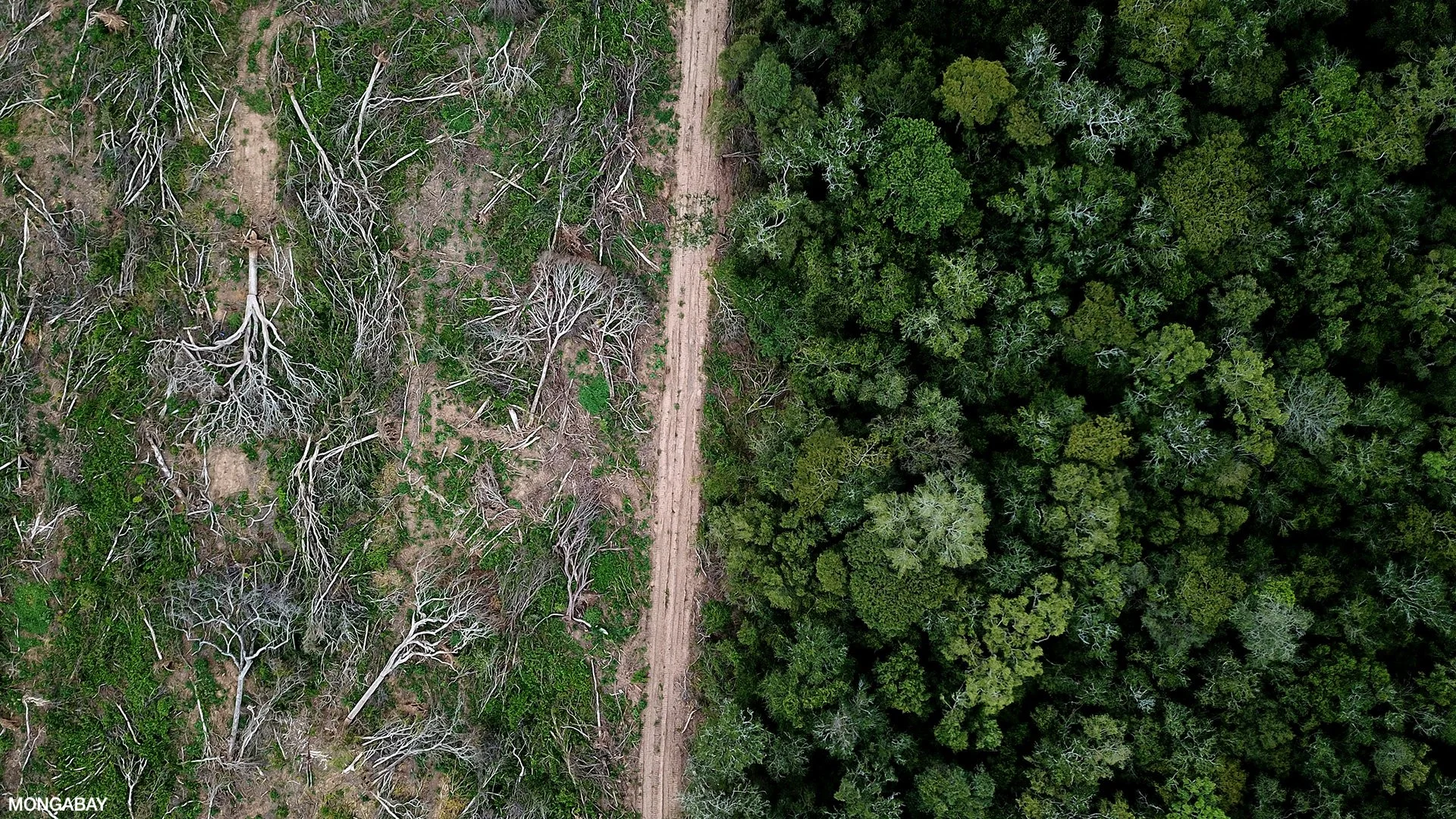
Deforestation
This lesson encourages critical thinking, environmental awareness, and actionable learning to promote forest conservation. Why is deforestation so bad for the environment and what does it do to an animal’s habitat?
-
Define deforestation and explain its primary causes.
-
Analyze the environmental, social, and economic impacts of deforestation.
-
Explore solutions to reduce deforestation and promote reforestation efforts.
-
Foster critical thinking about balancing human development with environmental sustainability.
Materials Needed:
Chart paper or whiteboards for group activities.
Art supplies for creative activity (markers, paper, etc.).
Lesson Outline
1. Introduction
Engage: “Why are forests important to us and the planet?” Write answers on the board (e.g., oxygen production, biodiversity, climate regulation).
Deforestation:
The large-scale clearing and destruction of forests and trees, often for agriculture, urban development, or logging.
Image: Deforestation before and after
(Source: https://worldrainforests.com)
2. Causes of Deforestation
Key Causes:
Agricultural expansion (e.g., palm oil, soy farming).
Logging for timber and paper.
Urbanization and infrastructure development.
Mining activities.
Slash-and-burn practices.
Activity: Assign small groups to research one cause and present a brief explanation to the class.
3. Impacts of Deforestation
Environmental Impacts:
Loss of biodiversity and extinction of species.
Disruption of water cycles.
Contribution to climate change through increased CO₂ emissions.
Social Impacts:
Displacement of indigenous communities.
Loss of livelihoods for people dependent on forests.
Economic Impacts:
Short-term gains from logging versus long-term environmental costs.
4. Solutions to Deforestation
Objective: Explore strategies to address deforestation and encourage sustainability.
Mitigation Strategies:
Promoting reforestation and afforestation.
Encouraging sustainable agriculture and logging practices.
Supporting eco-friendly products and reducing waste.
Enforcing stricter government policies and conservation laws.
Discussion Prompt: “What actions can individuals take to help reduce deforestation?”
5. Reflection and Creative Activity
Scenario: Imagine you are a conservationist designing a campaign to stop deforestation in your area. Create a slogan, poster, or social media post to raise awareness about deforestation.
Students work individually or in groups. Volunteers present their creations.
Assessment
Formative: Participation in group activities and discussions.
Summative:
Write a short essay explaining the causes, effects, and solutions for deforestation.
Create an infographic or presentation on a specific deforestation case study.
Extensions/Enrichment
Field Study: Visit a local forest or conservation area to learn about forest management practices.
Research Project: Investigate the role of technology (e.g., satellite monitoring) in tracking and preventing deforestation.
Community Engagement: Organize a tree-planting activity or awareness campaign in your school or neighborhood.